
Good Morning, Sunshine.
Today it's Hilary Woods, Luna Cables and thoughts on new-old gear.
Modern vintage. Something.
Hilary Woods Night CRIU was released last October on Sacred Bones Records. Listen up.
One note: I'm not going to review or analyze the records I share. You can assume I'm into it or I wouldn't share. Again, I want to encourage you to listen for yourself. That's where it happens. OK, enough.
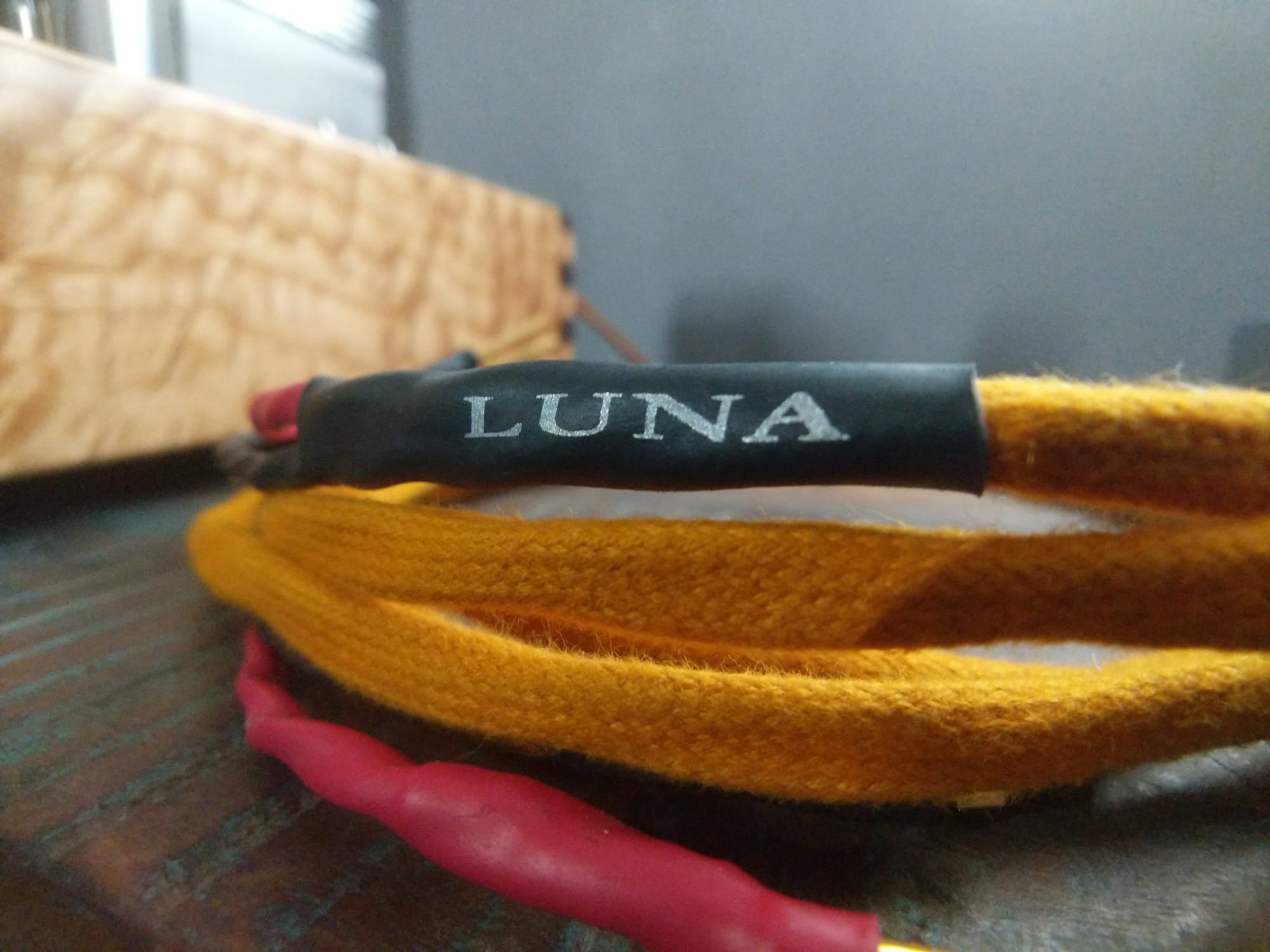
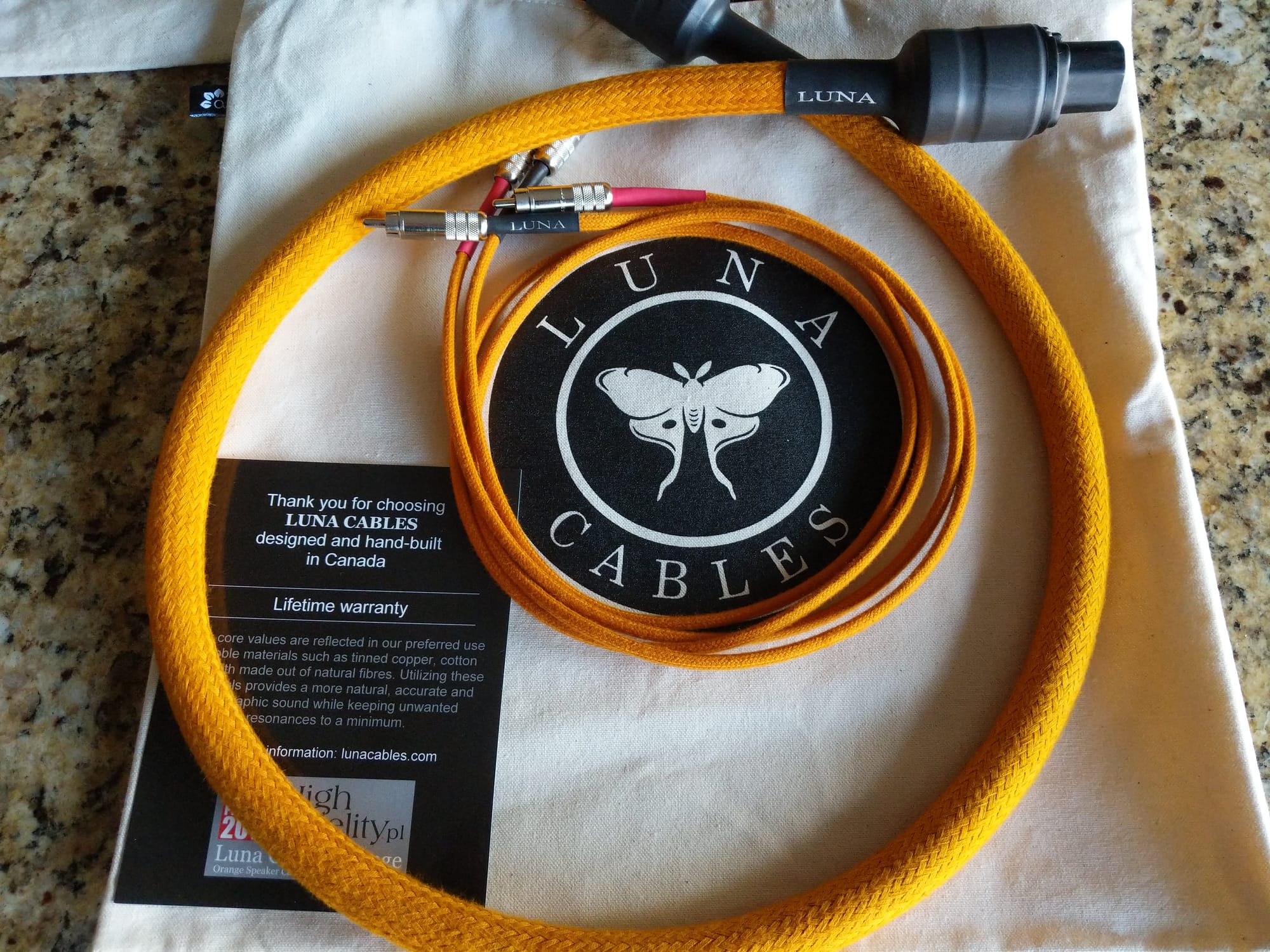
Luna Cables are a small cable manufacturer based in Eastern Quebec. They, actually one man, Danny Labrecque, hand-builds the cables using tinned-copper wire with a cotton dialectric (electrical insulation). The argument for cotton being that many dielectric materials used in cable manufacturing today (Teflon, PVC, Polyethylene, etc.) vibrate along with the signal, compromising it. Cotton keeps the conductors quiet without this resonance, so avoids adding unwanted artifacts to the audio signal that ultimately cause smearing of transients, among other things. Tinned-copper has been used for decades. Many musicians are familiar with it, as you can find it in vintage amplifiers and elsewhere.
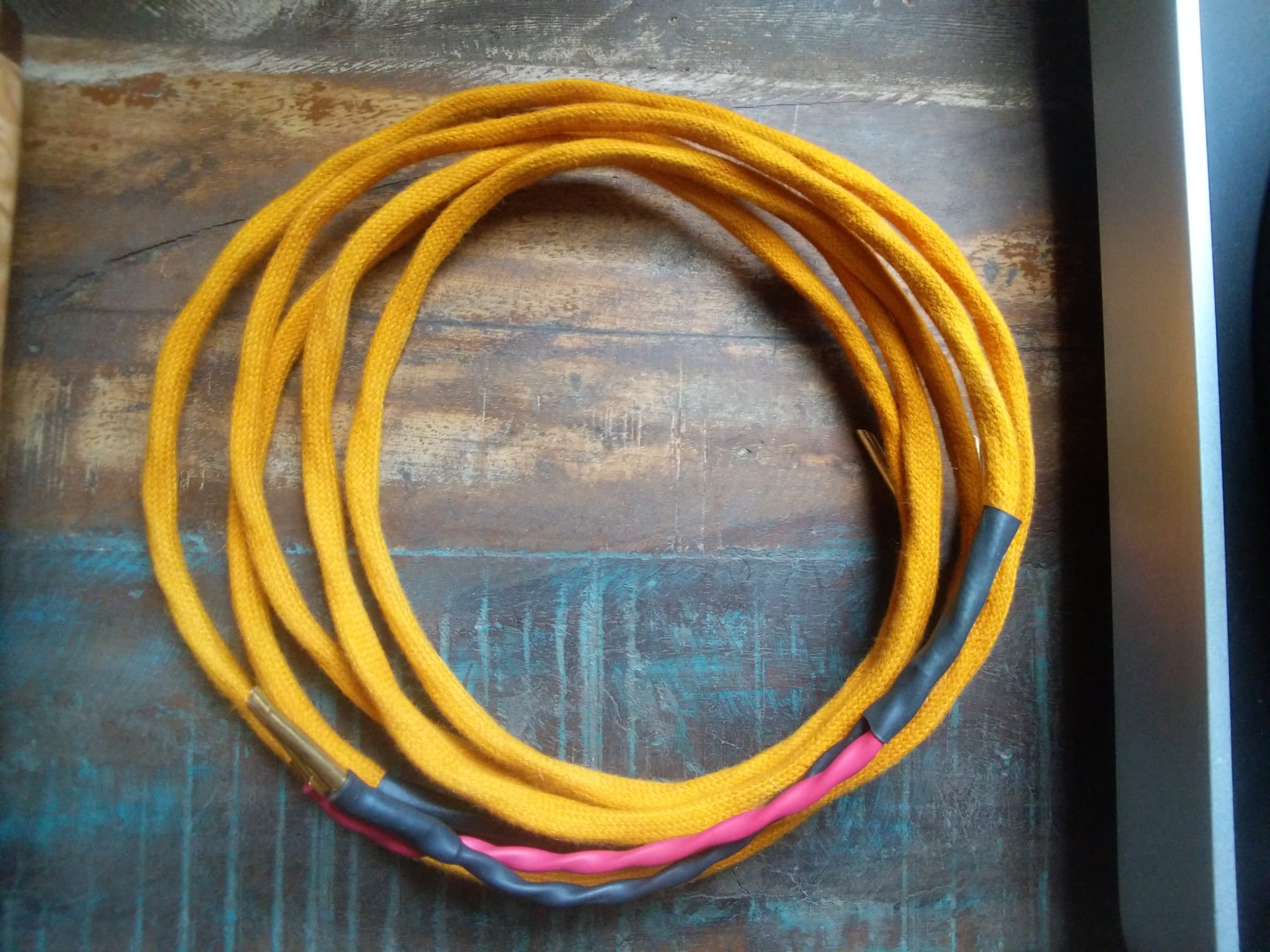
The Orange cable sits above the lowest tier, Gris, in a five tier, color-coded product line. You can find additional detail about each of these on Luna Cables site. I will attempt to summarize what I found, comparing a full loom of Luna Cable Orange with my Zu Audio Event cable. These are two different approaches to design, each offering unique results. Both are excellent cables, and each subtly affected the playback in material ways.
The Zu offer more bandwidth and lower noise, resulting in playback that generally sounded lithe, muscular and quick when compared to the Luna. They appear to better reject the noise riding in from the mains. Of course, these are subtle shifts. I have the benefit of using the Enleum AMP-23R as my primary amplifier, so can switch from loudspeakers to headphones quickly. It is much easier to discern the differences with a high-quality headphone. Also. Cables will not correct any issue you may have with your system. My experience has shown me that you can certainly discover the potential within your components by experimenting with different cables. The Orange sound had a subtle roll-off at both extremes, decompressed the overall image, projecting more dimension, color and tactile textures. Transients were softer. That's the short of it. I enjoyed them both, but in the long run I returned to the Luna. That's me.
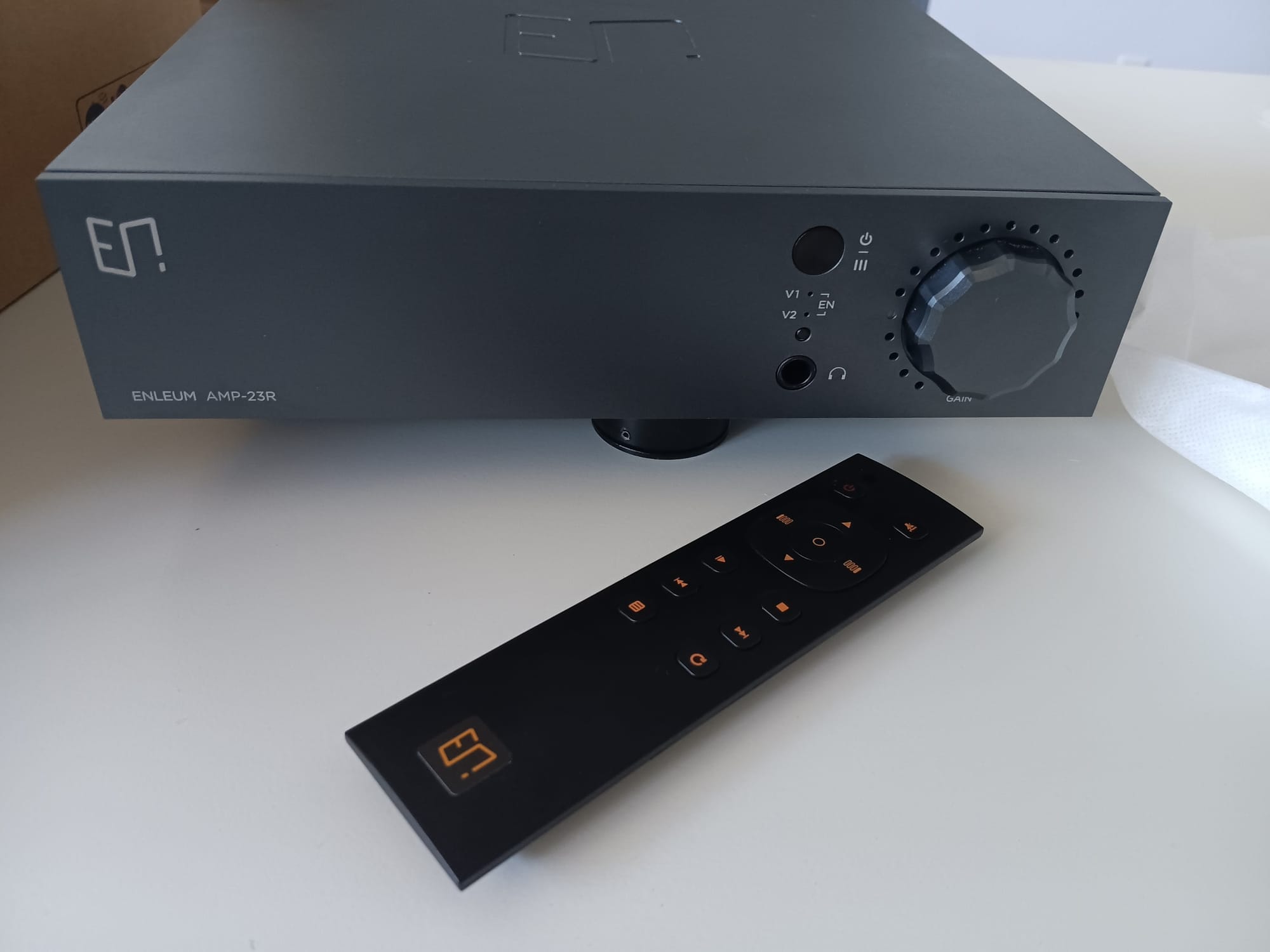
There are now a bewildering number of cables available, especially when adding headphones to this dialogue, which ultimately is a good thing for us listeners. Plenty of options for all tastes. It's a good thing. Still I'd recommend that you build a system of components that get you where you want to go before investing heavily in cables.
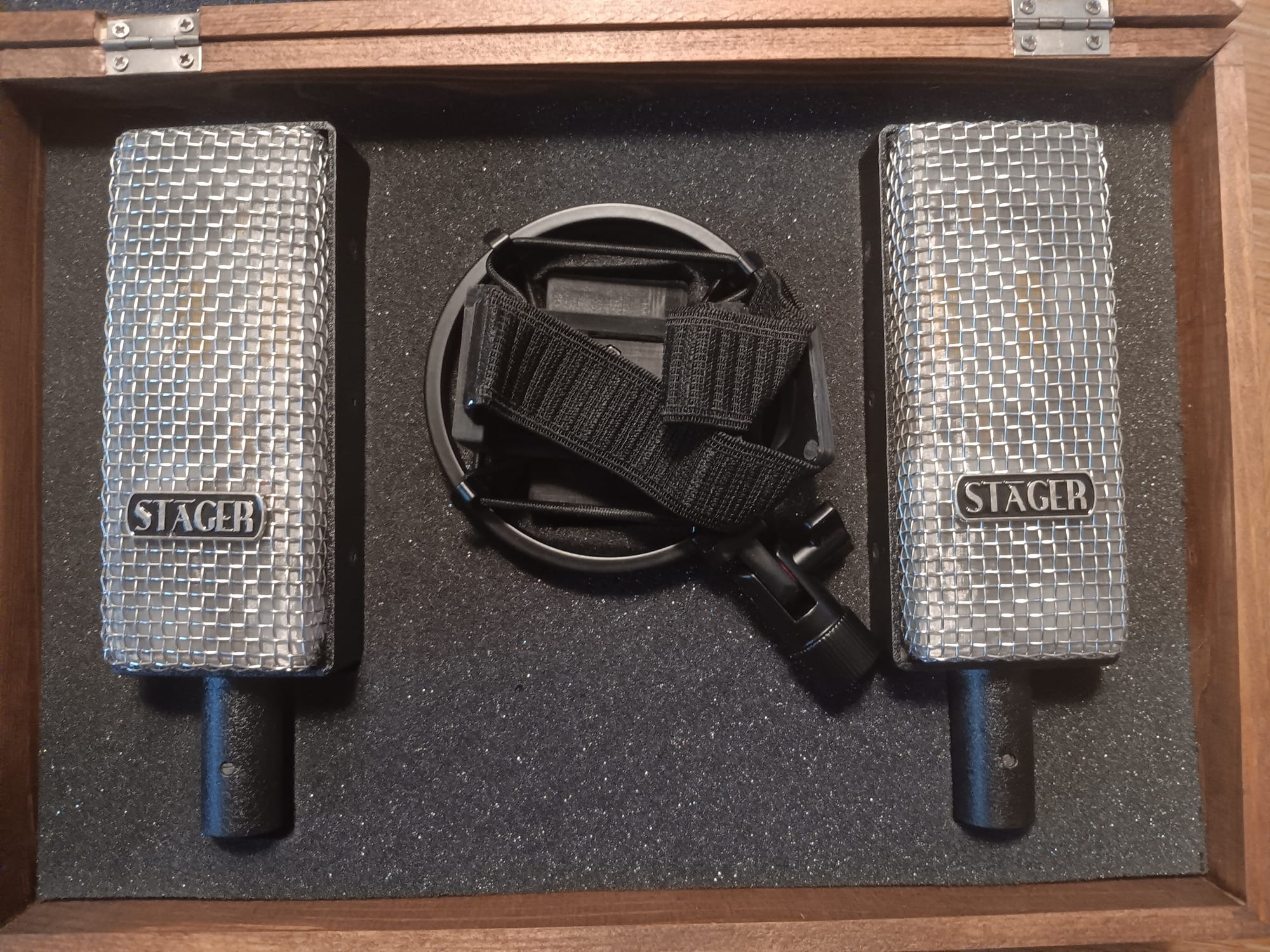
While we're on the subject of modern vintage electronics...these Stager ribbon mics are currently in storage, but I bought them years ago for recording my drum kits. Inspired by my hifi adventures in mono, I starting experimenting, with guidance from engineers I knew. I'm not one, but spent years recording my acoustic kits in a small booth at home. I worked to capture a dynamic, colorful mono kit sound with just these two mics. So good. Low to the ground, punchy and textured. We'll get back to that some day. I also worked with Roland vdrums and Superior Drummer 3, which was fantastic for recording practice and demos. The modern digital tools are very convenient. No doubt. Still, there remains much to say about the old ways.
Thanks for listening.